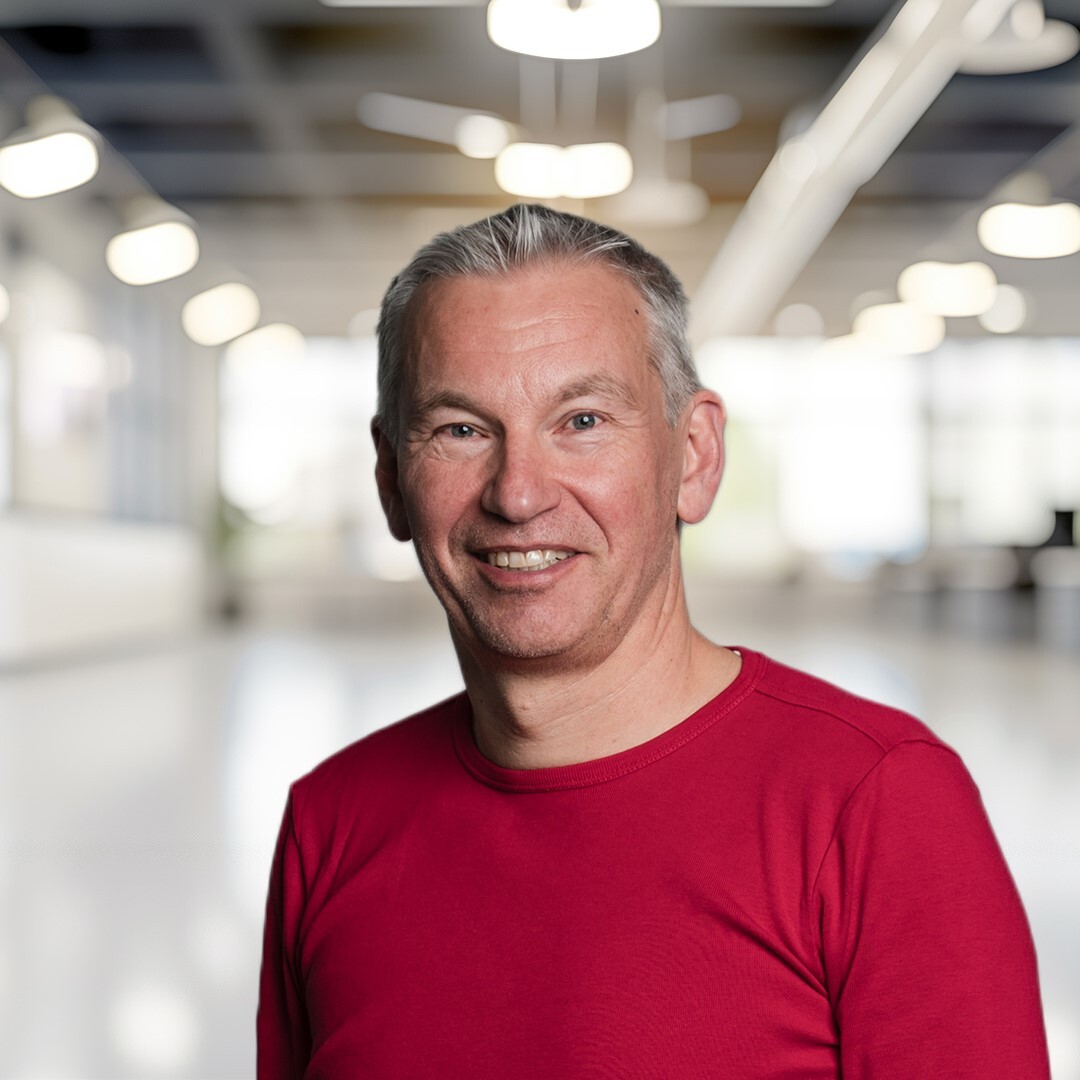
Beatrice Lifart is CEO of Livit AG, one of Switzerland’s leading property services companies. In this interview, she explains why responsibility must be shared and why good property management is, above all, about people.

Beatrice Lifart, you have been working at Livit for over 25 years. What has fascinated you about the property sector all these years?
For me, it has always been the work itself. When I started as Head of HR in 2000, I didn’t have a fixed career plan. I was motivated by the people, the challenges and the opportunity to make a difference. The sector is constantly evolving, with ever-changing demands and customer expectations. That’s exactly what has made the work so exciting to this day.
As CEO, you bear overall responsibility for Livit. What does responsibility mean to you personally?
I enjoy taking on responsibility. At the same time, I’m convinced that responsibility can – and indeed must – be shared. People need to be involved in issues at an early stage so that a team or committee can share responsibility. For me, responsibility means being clear, committed and transparent, supporting people while also expecting them to perform.
Your company manages more than 200,000 properties. Does such a responsibility sometimes feel like a burden?
Our responsibility is, of course, considerable. It extends to property owners, tenants, our staff and the development of the company. I know my own limits and can rely on strong teams. Taking responsibility does not mean doing everything yourself. The key is to structure the organisation in such a way that it can successfully fulfil its tasks.
What characterises good property management?
Quality. We invest heavily in the professional expertise of our staff, in training and further education, and in customer-focused processes. At the same time, we need a leadership culture that fosters development. Today, property owners expect a proactive, professional and reliable organisation that contributes to adding value. Tenants expect us to be accessible, to respond quickly and to provide a high standard of service. We must meet both of these expectations.
How do you balance these differing interests?
We see ourselves as a bridge. On the hand, there are property owners who entrust us with their properties, while on the other, there are tenants who have legitimate expectations regarding their living or working environment. Our task is to reconcile these differing interests and find solutions. This is not always easy, but it lies at the heart of our service.
The shortage of housing is a recurring issue. What responsibility do companies such as Livit have towards society?
We have a responsibility that goes beyond the mere operation and maintenance of property values. It is about providing and managing housing in such a way that it remains accessible to different people and in different life situations. Fairness, neutrality and equal opportunities are central principles guiding our actions. Our responsibility also includes ensuring a balanced mix of tenants.
What are the developments that are currently having a particularly significant impact on property management?
The importance of tenants has increased significantly. Customer satisfaction surveys and service quality play a much greater role today than they did ten years ago. At the same time, buildings are becoming increasingly technical. Sustainability, energy efficiency, charging infrastructure and the monitoring of technical systems are becoming increasingly important. Digitalisation and the shortage of skilled workers are also changing many processes.
Speaking of digitalisation – what role does it play?
Standardised processes can largely be digitalised and automated. That gives us more time for demanding tasks. At the same time, people are still needed. Properties are physical assets. A heating system does not repair itself, and complex issues cannot be fully automated.
Partner companies are crucial for the operation of many properties. What makes a strong facility management partner in your view?
Reliability, honesty and commitment. Agreements must be honoured. Communication and proactivity are equally important. A good partner does not limit themselves to merely meeting the agreed standard. They think proactively, contribute their own ideas and are willing to go the extra mile. This is how long-term partnerships are forged.
How is responsibility shared between Livit and its partner companies?
We cannot delegate overall responsibility. That is our role. At the same time, we need partners who take responsibility on the ground and contribute their expertise. We have been working with ISS for many years. Over time, this has developed into a genuine partnership. We know each other, know what to expect from one another, and work together on improvements with the aim of achieving high, tangible quality. This builds trust and creates added value for the property owners and our tenants.
How can you tell whether a partner company is truly taking responsibility?
By their willingness to contribute ideas, to raise issues, and suggest improvements. Responsibility is demonstrated through commitment, quality, and a passion for the task at hand. And it must be exercised equally at all levels.
How would you know in five years from now that Livit has successfully fulfilled its responsibilities?
When I look back, I want to be able to say that, together, we took responsibility for more than just properties. Our aim is to preserve the long-term value of property while contributing to liveable housing. In doing so, people are just as important as the buildings themselves. At the same time, I want Livit to remain an organisation that offers interesting work, attracts good staff and delivers high quality. That is when I would say: we have fulfilled our responsibilities.
“A good partner is prepared to go the extra mile.”
“I see us as a bridge between property owners and tenants.”
Quotes Beatrice Lifart
About Beatrice Lifart
Beatrice Lifart (59) has been CEO of Livit AG since 2024. She joined the company in 2000 as Head of Human Resources and was a member of the Executive Board. During this time, she held various interim management roles and led numerous major company-wide projects. She played a key role in shaping Livit’s development. www.livit.ch