Markus Lickert is Head of Switzerland Real Estate & Services at UBS. In this interview, he explains the importance of strategic partnerships in developing innovative solutions, the role sustainability plays, and why outsourcing must not be an end in itself.
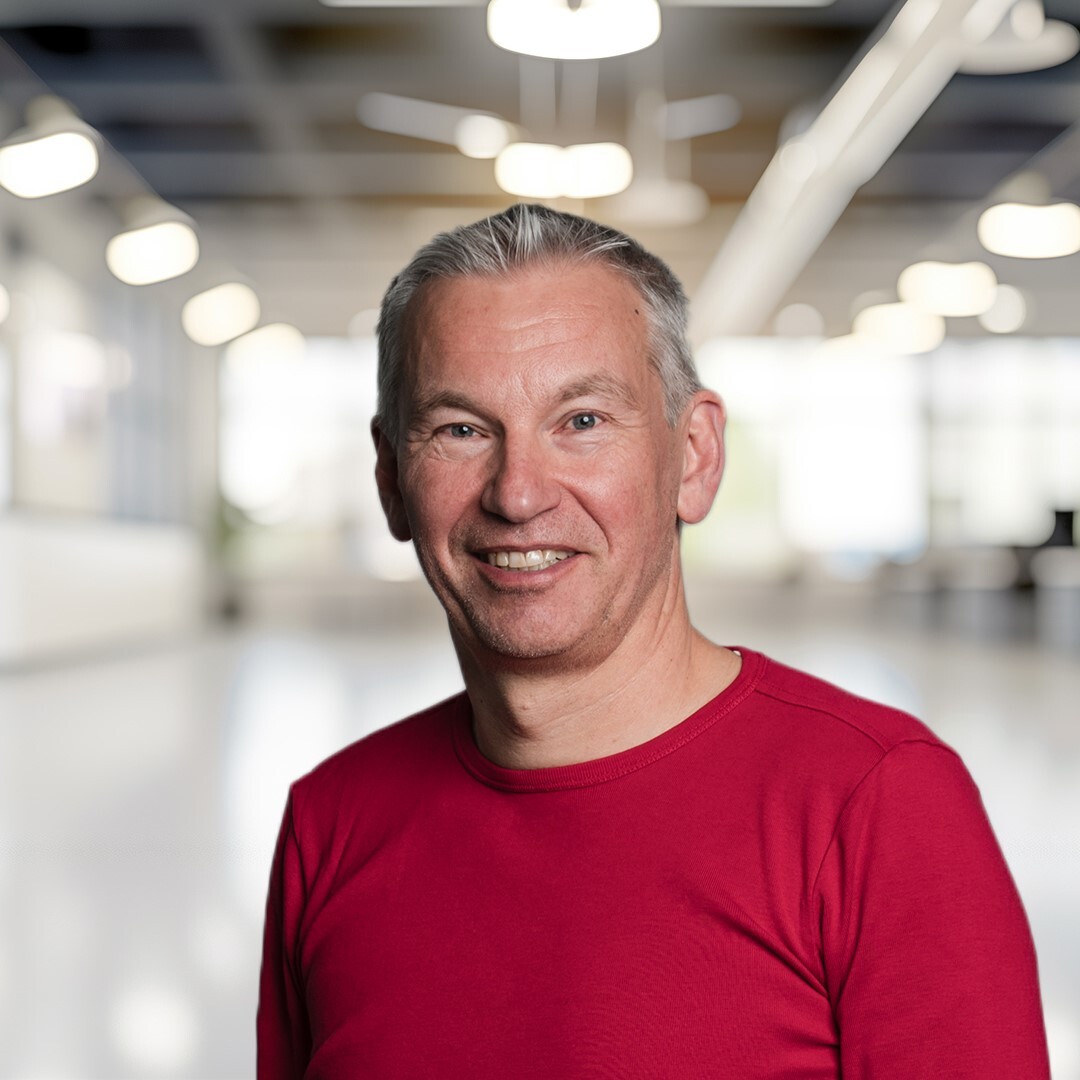
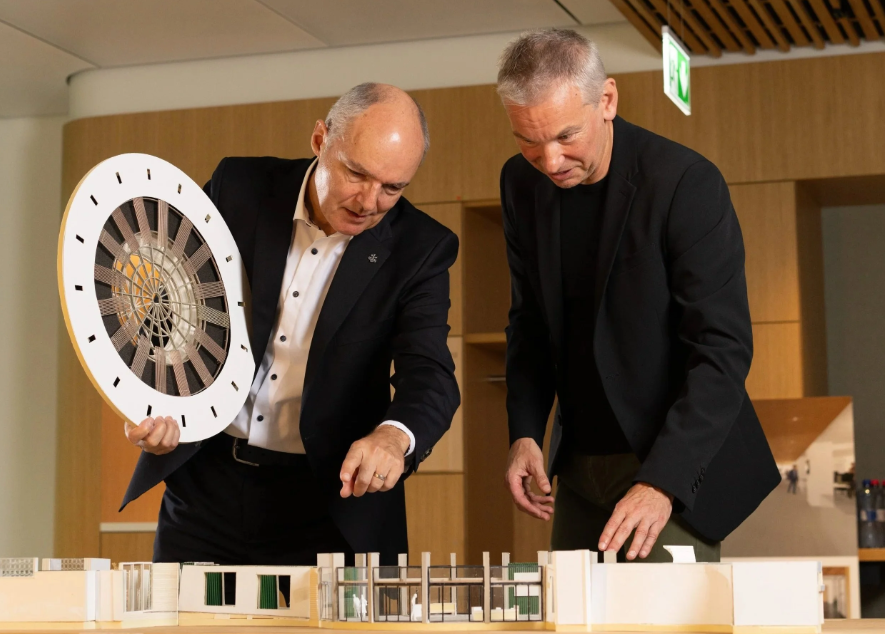
Markus Lickert (59) has been with UBS for 27 years and has served as Head of Switzerland Real Estate & Services at UBS Switzerland since 2019. He manages a portfolio of approximately 260 buildings across Switzerland with a total floor area of over one million square meters. Together with his team, he is responsible for the entire lifecycle of the properties used by UBS, from building development and construction project management to leasing and tenant management, all the way through to building operations.
You are responsible for a portfolio of around 260 buildings and over one million square meters of space. What fascinates you about this role?
Markus Lickert: The versatility. Managing company-owned real estate involves challenges, budget responsibility, measurability, and creative freedom. It has to do with people, but also with a core understanding of the banking business. We ensure that all 18 of our service areas - from building security and workplace solutions to employee catering - run smoothly at all times. For large projects or operational incidents, I go on-site whenever possible to get a firsthand look. This hands-on approach is important to me.
How have the demands on corporate real estate changed in recent years?
Markus Lickert: The pandemic has fundamentally changed the world of work. We now have a hybrid work reality, and employees have set up home offices. For us as a company and for our culture, this means we must create physical spaces that are both functional and foster a sense of identity.
Our offices should bring team spirit to life and promote productive work. At the same time, everything has become more dynamic. Workspaces must be flexible, scalable, and cost-efficient without compromising quality or ESG standards.
Sustainability is a strategic goal for UBS. What role do the company’s own real estate holdings play in this?
Markus Lickert: Our goal is to achieve net-zero emissions in our own operations by 2035. Our function plays a crucial role in achieving this. To that end, we set the highest standards for our own buildings. Projects such as the Paradeplatz Campus in Zurich, or LEED Platinum-certified buildings, demonstrate how environmental and economic goals can be reconciled.
Here, we use heat pumps, lake water heat exchangers, and smart energy management systems to reduce our emissions and improve our energy balance. We also integrate ESG criteria into our supply chains and expect our partners to meet strict standards as well.
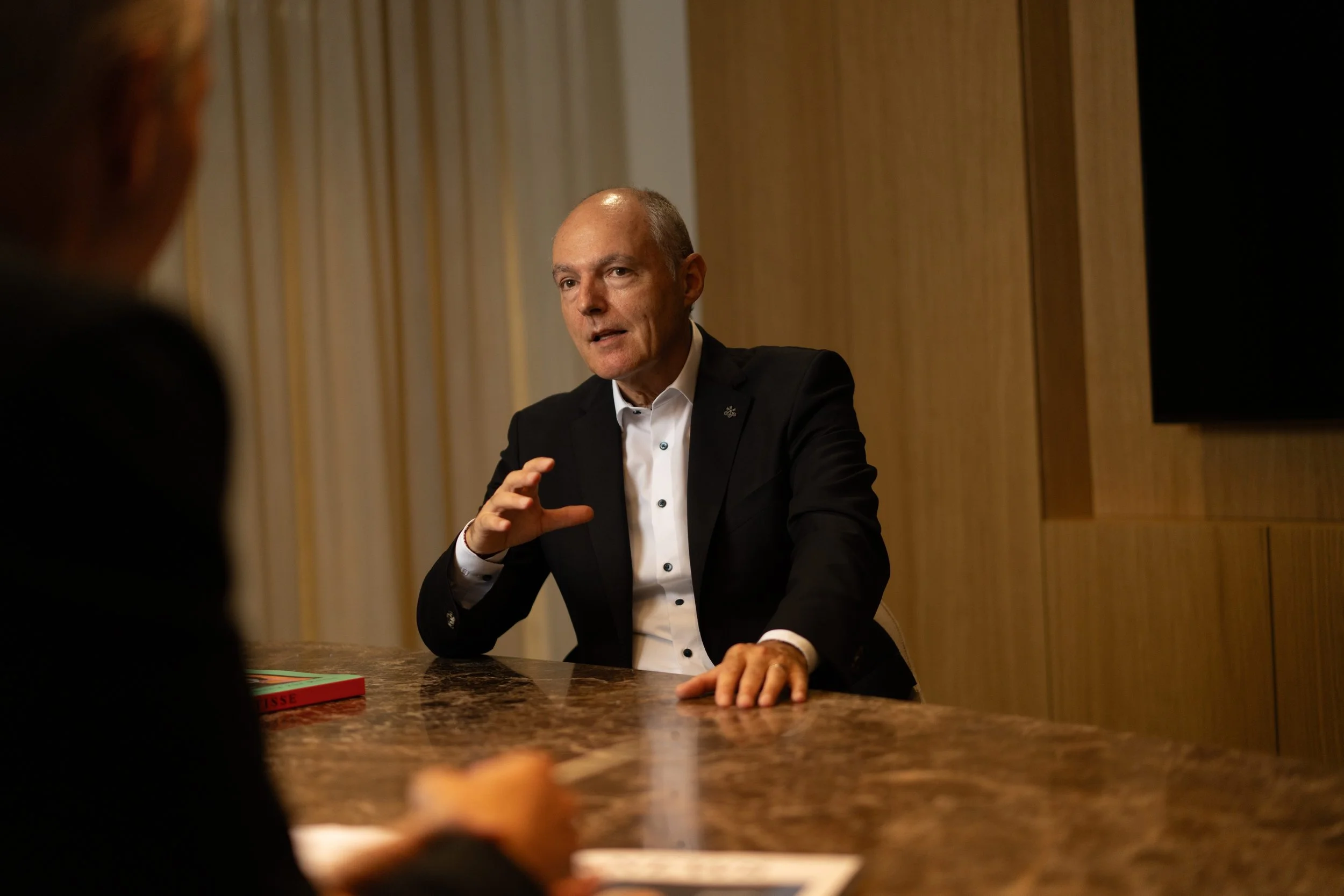
For Markus Lickert, innovation is driven by a strong partnership between both sides.
How do you view the role of outsourcing in this context?
Markus Lickert: This needs to be differentiated for each of our 18 service areas within the value chain. There are core beliefs that are part of our DNA, such as “UBS employees greet UBS clients.” Outsourcing in these areas is therefore not in our best interest.
Then there are areas such as building cleaning, technical maintenance, and other specialized services, where we rely on suppliers with comprehensive institutional knowledge who understand our standards and have earned our trust. Rather than referring to this as outsourcing, we prefer to speak of business relationships that, ideally, develop into strategic partnerships over the years, such as the one we have with ISS.
What specific expectations do you have for partnerships in facility management?
Markus Lickert: It is crucial that both sides understand the role they play in the value chain. A partnership is a shared journey based on trust, transparency, and a shared understanding of objectives - ranging from the operational model and innovations to defining what success actually looks like.
That’s why we focus on open dialogue on equal footing, clear KPIs, and close collaboration. Partnerships must be win-win in nature, with both sides benefiting - even when it comes to addressing weaknesses and jointly identifying and tackling shortcomings.
Speaking of innovation: How do partners create added value in this area?
Markus Lickert: We place great importance on the continuous development of our company-owned properties through upgrades and technical innovations. Strategic partners like ISS play a key role in this. They bring experience from many markets, industries, and existing customer relationships.
In a strong partnership, innovation is supported by both sides, and ideas are proactively contributed - whether in the areas of sensor technology, IoT, automation, or AI-powered systems for optimizing energy consumption and cleaning. For example, we developed a smart energy management system in collaboration with a startup that ISS brought to our attention.
We are now implementing this solution in over 20 buildings worldwide. Such technologies reduce operating costs, increase efficiency, and directly contribute to our ESG goals. I expect our partners to use their market knowledge to continuously improve our service levels.
How do we keep these partnerships dynamic and innovative?
Markus Lickert: By fostering an entrepreneurial spirit on both sides. To achieve this, a shared understanding of where we want to go as UBS - and specifically in the corporate real estate sector - is extremely important.
Innovations - whether they involve cleaning with drones, AI-based analytics, or flexible work environments - must always demonstrate a clear business benefit. We expect pragmatic, measurable solutions that improve service and generate added value for UBS. Empowering property managers plays a key role in this. They must act with an entrepreneurial mindset and work with us to identify and capitalize on opportunities.