Shipping pharmaceutical goods requires specialized knowledge and extensive experience. And when the destination country is a crisis zone, ISS pharmaceutical logistics specialists also utilize their global network.

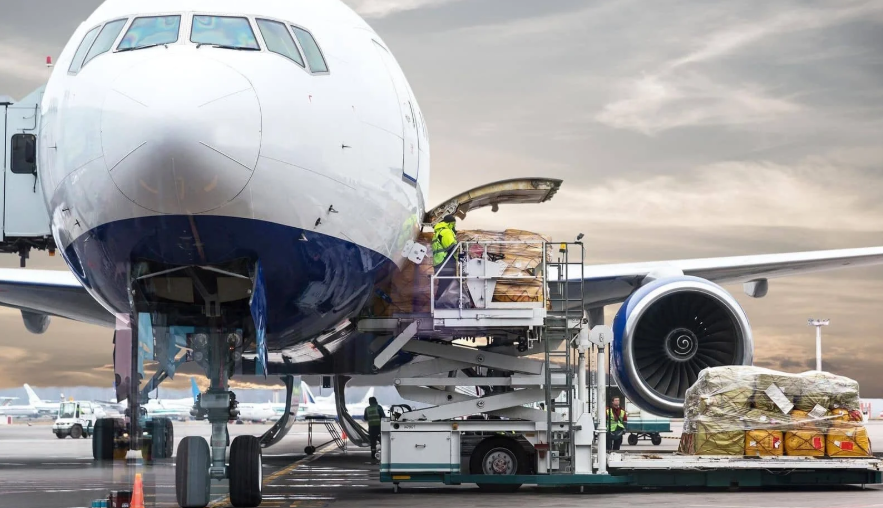
Not all logistics assignments that ISS organizes for clients in the pharmaceutical sector are as high-stakes as this one. But when a shipment needs to be delivered urgently to Damascus while a civil war is raging, the specialists find a solution for that shipment as well. But even more routine assignments in pharmaceutical logistics present tricky challenges. It starts with providing the right packaging. Drug samples, active ingredients, and tissue samples - as well as electronic devices - must be prepared in such a way that they survive the journey unscathed.
An important criterion in packaging: temperature stability
An important criterion in packaging is temperature stability. While some shipments are transported at room temperature, others must be kept constantly refrigerated during transit. And this consistency must also be fully documented.

Different Regulations
Every mode of transport has different requirements, whether by sea, road, or air. Air freight shipments, in particular, require special attention. “Every airline has its own regulations, some of which go beyond internationally applicable guidelines,” notes Sanimir Ademovic, Head of Support & Shipping at ISS for the pharmaceutical sector. “This can pertain to the permissible amount of liquid for hazardous materials or the exclusion of certain pathogens, toxic, or explosive substances,” he adds.
At Short Notice: Rules Change Overnight
It comes as no surprise that individual countries also have their own import regulations. “Asian countries, in particular, can be very restrictive in some cases,” notes Sanimir Ademovic. Freight and customs documents often have to be translated into the respective national language. But even if all regulations are followed and all contingencies are taken into account, difficulties can still arise unexpectedly at any time. In such cases, it helps that ISS’s logistics experts are part of a global network. “If a shipment gets stuck at customs - perhaps because a specific document is supposedly missing or because import regulations changed overnight - it’s helpful that, thanks to our network, we know the authorities at many airports and can thus get stalled shipments moving again,” emphasizes Sanimir Ademovic. Time is often of the essence, he explains, since, for example, cold chains can only be guaranteed for a specific period.
Essential: Continuing Education Keeps Us Up to Date
Ongoing training and professional development for the ISS pharmaceutical logistics team are essential to staying on top of constantly changing laws, ordinances, and regulations. Added to this is the license from the Federal Office of Civil Aviation, which must be recertified on an ongoing basis through audits. This enables the experts at ISS to find competent solutions for both routine and unusual tasks in pharmaceutical logistics day in and day out. Incidentally, the shipment destined for Damascus was sent to Baghdad - 840 kilometers away from Damascus - from where a special courier from Syria picked it up.