Operating building systems incurs high costs. Therefore, it is all the more important to optimize these systems for effective use. This is the aim of energy-efficient building operation optimization (eBO) according to SIA 2048. The return on investment for eBO is less than two years, corresponding to a capital return of over 50 percent.

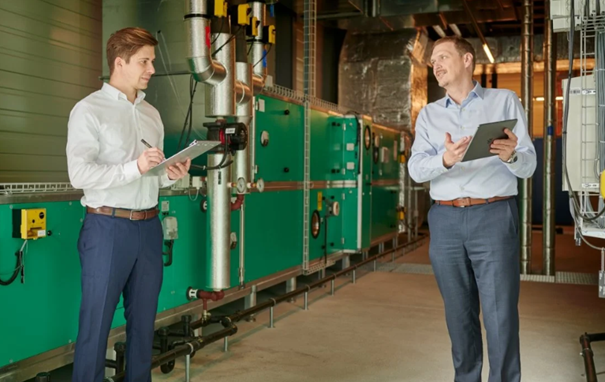

Simon Künzi, Head of Energy Management at ISS
By optimizing energy-related operations, energy costs can be reduced by an average of up to 15% over a five-year period.
Question 1: What is the goal of energy-efficient operational optimization (eBO)?
Energy-efficient operational optimization is a practical method for optimizing building systems without major financial or construction investments. The goal is to reduce energy consumption through simple measures applied to heating, ventilation, and cooling systems, as well as lighting and building automation. The overarching goal is to ensure that systems are operated in a way that is tailored to actual usage without compromising the comfort of building occupants.
Question 2: Where is eBO used?
eBO is suitable for both large companies and small and medium-sized enterprises (SMEs). It can be implemented in all types of buildings. The only requirement is that the buildings have some form of building services - at least a heating system, and ideally ventilation and cooling systems as well. Since the measures involved in eBO are primarily limited to control system adjustments, the age of the systems is not a factor in its implementation. Examples of such measures include adjusting
-
heating curves and heating limits
-
return temperatures for condensing boilers
-
heat recovery systems
-
lighting controls
-
domestic hot water heating
-
Server room temperatures
Question 3: What legal requirements must building operators comply with?
Implementation of the Energy Strategy 2050 in the building sector is the responsibility of the cantons. Whereas previously only large consumers with an annual heat demand of more than 5 GWh or an electricity consumption of more than 500 MWh were subject to these requirements, the trend is now for cantons to extend these legal regulations - through the “energy-efficient operational optimization” module - to small and medium-sized facilities with annual electricity consumption between 200 and 500 MWh.
Currently, this applies to the cantons of Basel-Stadt and Bern. For building operators, this means that energy-efficient operational optimization must be implemented and documented in commercially used buildings (non-residential buildings) no later than three years after commissioning and then periodically every five years. In all other cantons, there is still no legal requirement. However, an eBO is definitely worthwhile for both environmental and economic reasons.

Simon Künzi (on the right in the photo) is Head of Energy Management at ISS and, together with his team, oversees all energy-related matters for approximately 1,800 buildings throughout Switzerland.
Question 4: What is the process for an eBO?
For a professional eBO, an expert energy manager is brought in. Goals and needs are defined in collaboration with the facility operator. During a site tour, the specialists assess the settings of the building services systems, identify weaknesses, and document the collected data. The report provides information on energy consumption trends and includes a catalog of measures with concrete proposals on how to achieve the set energy efficiency goals and how the investments will pay off financially.
In addition, the eBO analysis provides further useful information for improving a building’s energy performance and the well-being of its occupants. Consider, for example, the coordination of heating, ventilation, and cooling systems to prevent drafts and temperature fluctuations within the building. It also addresses technical systems that need to be replaced due to the end of their service life. In such cases, while a larger investment may be necessary, it will yield financial and environmental benefits in the long term.
Question 5: How much can be saved?
Experience shows that, over a five-year period, an average of 15 percent of energy costs can be saved. Since no major structural or financial investments are required, the payback period for the initial investment is less than two years. In the canton of Bern, the eBO is also supported by subsidies, which further improves the financial performance of this investment.

Question 6: How is energy efficiency ensured in the long term?
To reduce energy consumption in the long term, consistent energy monitoring is essential. Only in this way can CO2, electricity, and water consumption be reliably monitored, controlled, and reported. On the one hand, this helps companies effectively communicate the efficiency gains they have achieved to the outside world. But internally as well, the issue of sustainability is raising awareness among operators and users and, in the best-case scenario, encourages the economical use of resources in other areas.

Thanks to the data in the eBO report, malfunctions and potential operational disruptions can also be identified and resolved.
Energy Management
The ISS Energy Management Team implements standardized energy-efficient operational optimizations in over 100 commercial properties throughout Switzerland - ranging from individual buildings to large real estate portfolios. Thanks to its broad expertise in all areas of building services engineering and its large pool of highly trained specialists, ISS offers comprehensive solutions ranging from analysis and implementation of measures to performance monitoring.