Hygiene has always been a top priority in hospitals, and not just since the coronavirus pandemic. Nevertheless, the demands and importance of hygiene have changed. Martina Fässler, Senior Business Consultant Healthcare at ISS, explains how the pandemic is affecting ISS's work in hospitals and what trends are emerging in the healthcare sector.
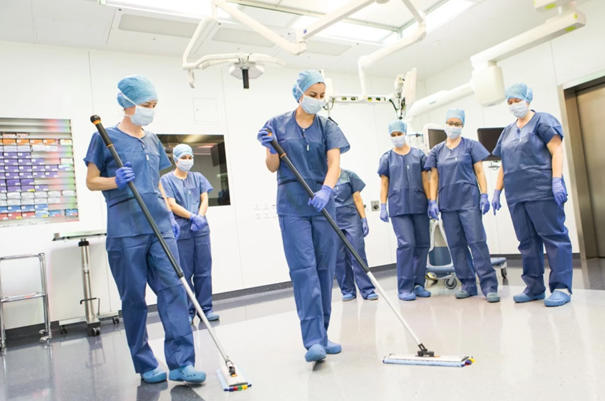
ISS Facility Services has been active in the healthcare industry in Switzerland for over forty years and serves more than 200 clients in this sector. Approximately 1,000 employees work in the healthcare sector.

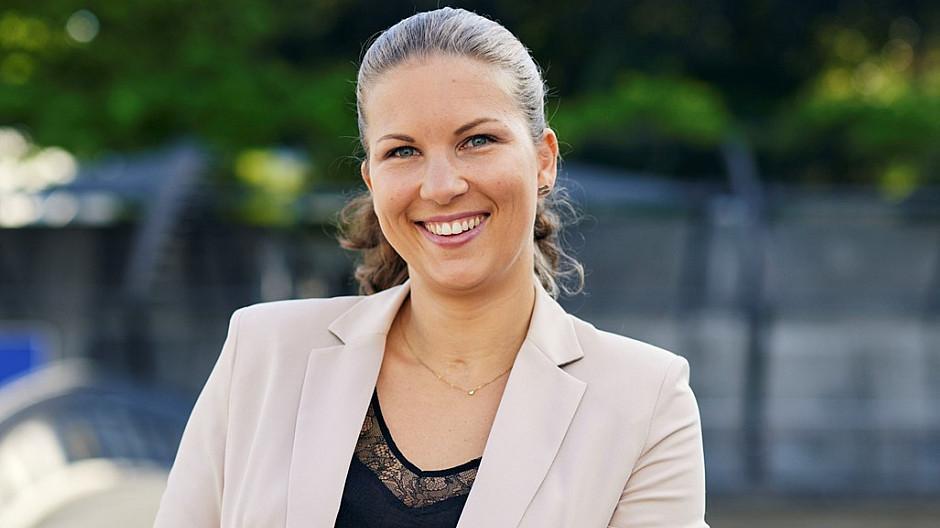
Martina Fässler, Senior Business Consultant, Healthcare
As a Senior Business Consultant at ISS, she advises hospitals, retirement homes, and nursing facilities. Hygiene issues are a key part of her work. She also advises healthcare institutions on potential and operational analyses.
Martina Fässler, for the past year, everything has revolved around the coronavirus pandemic - especially in the healthcare industry. How has the pandemic affected your work?
With the pandemic, the importance of hygiene has increased, especially in public settings. In hospitals, hygiene standards have always been a top priority; isolation measures and safety protocols have always been in place. So while the standards themselves haven’t changed, hygiene measures are now ever-present. We wear masks nonstop, and there are more cases requiring isolation.
What are the most critical areas in a hospital?
From a building cleaning perspective, in addition to areas with high hygiene standards - such as operating rooms, central sterile supply departments, and so on - these are the so-called “touch points.” Germs can be spread wherever people touch something with their hands. There are thousands of these contact points: light switches, door openers, elevator buttons, door latches, handrails, chair backs, and so on - from the entrance through elevators and examination rooms all the way to the patient rooms on the ward. That’s why it’s important to maintain a contact point inventory to ensure that no contact points, equipment, or surfaces are overlooked during cleaning. This, in turn, helps when training new employees. It’s important to know what others on the team are doing in order to understand the big picture.
How do you ensure that this exchange actually takes place?
We organize ourselves like an internal hospital department. We participate in hygiene rounds, seek dialogue with hygiene coordinators, ward managers, and others, and have our managers on-site. They have their offices in the hospital alongside other support staff and maintain daily communication. We work closely together, which is important because precise coordination is needed at the interfaces - which are constantly changing. That’s where proximity comes in handy.
Has the pandemic also had an impact on your consulting work?
Yes, potential clients are specifically asking about our pandemic plans - how we ensure staffing levels or what our business continuity management looks like. We’re receiving an increasing number of inquiries from retirement and nursing homes, as well as from vaccination centers.
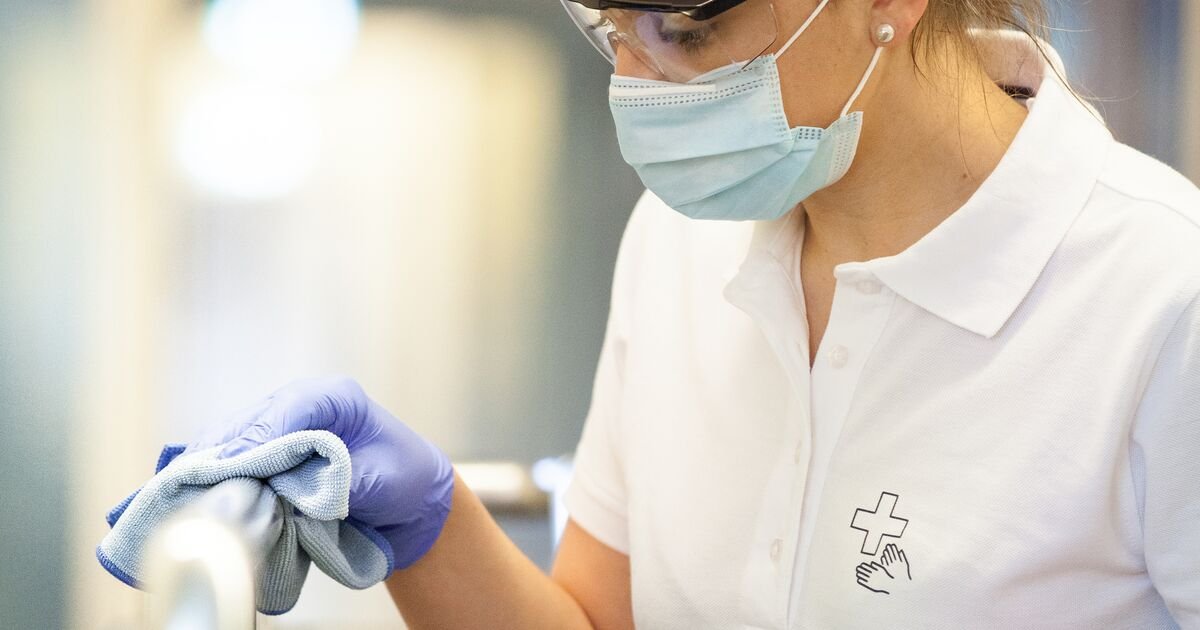
Like all contact points, handrails are among the critical areas in a hospital. Germs can be spread here, which is why cleaning and disinfection are particularly important.
Setting aside the pandemic: Are there any trends you’ve noticed when advising healthcare facilities?
The healthcare industry is no longer just about treating illness. This means the focus is no longer solely on treating diseases and accidents, but also on health promotion and prevention. Increasing interdisciplinary collaboration also means that more teams and individuals are working together. As a result, institutions have grown and become more complex.
That’s why they want to know if they’re optimally positioned. We can assist them in this area because we don’t just offer services - we think in terms of comprehensive strategies. In doing so, we draw on our many years of experience in the healthcare industry. For example, we offer a potential analysis. This assessment helps decision-makers evaluate, optimize, and further develop their support functions. At the same time, we have the tools for training and quality control. This means we are able to pursue a path that we view as a customer-centered innovation process.
And what about digitalization?
Whether it’s sensors for tracking room occupancy, VR headsets for technical maintenance, or virtual voice assistants for digital reception - one thing is clear: digitalization opens up previously unimagined possibilities for FM. Our headquarters in Zurich-Altstetten serves not only as a workplace for more than 400 employees but also as a laboratory for the latest technologies and applications. Our goal is to test new technologies and simulate use cases.
This interview has been abridged. The original text appeared in the trade magazine Competence 02/2021.