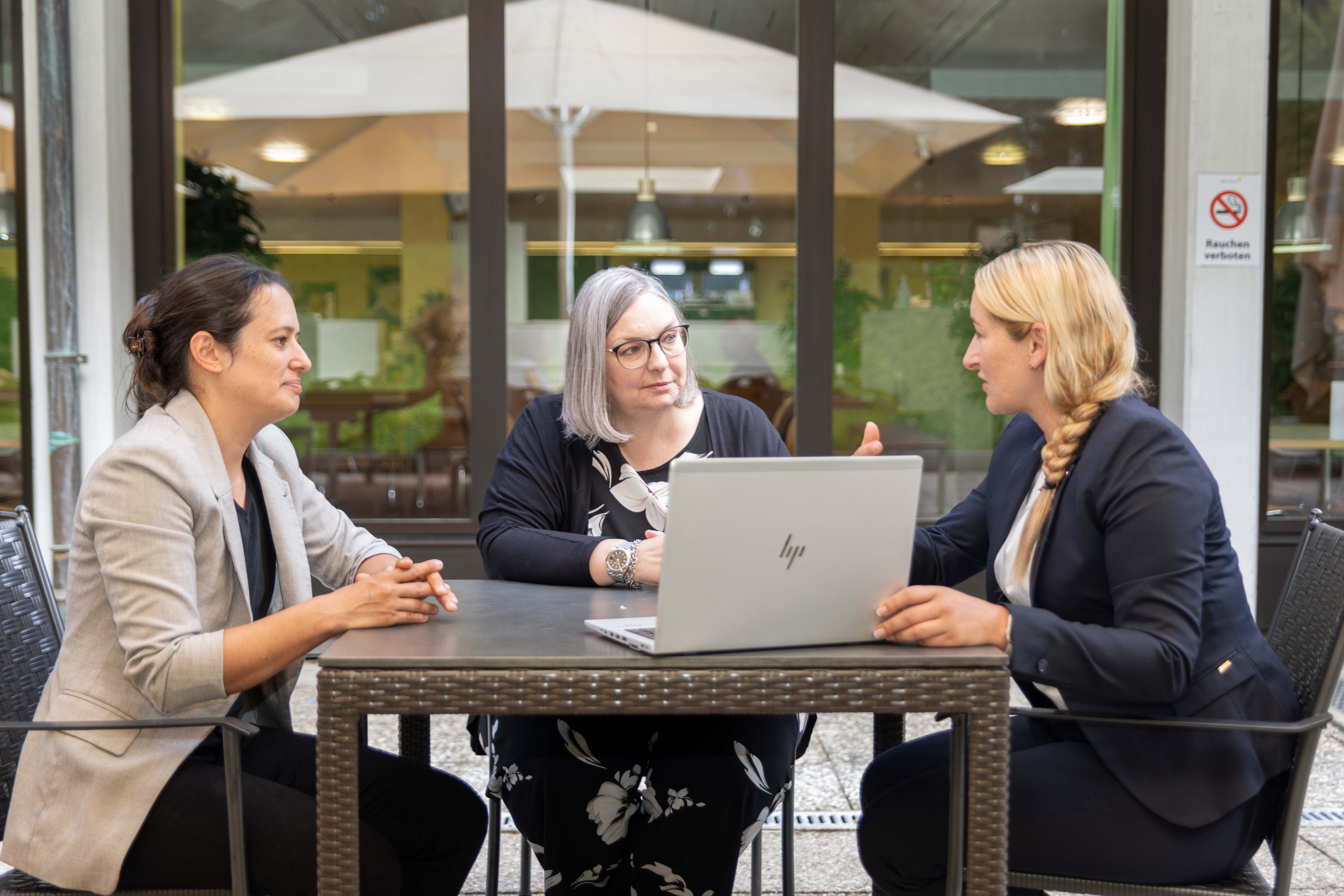
Schaffhausen Hospitals provide comprehensive healthcare services across the region. They have been working in partnership with ISS on cleaning services for 30 years. A discussion with Sandra Zurlinden Fluck, Head of Housekeeping at Schaffhausen Hospitals; Martina Fässler, Head of Key Accounts Healthcare at ISS Switzerland; and Susanne Joost, ISS Site Manager for Schaffhausen Hospitals.
How has facility management evolved over the years, and what is the key to a long-standing partnership?
Sandra Zurlinden Fluck: When I started in 1997 as Head of Cleaning for the Psychiatry Department and Deputy Head of Housekeeping, there were three separate organizations: the Cantonal Hospital, the Psychiatry Department, and the Nursing Center. At the Cantonal Hospital, cleaning was handled by ISS. They have since been consolidated under the Schaffhausen Hospitals, and the nursing center has been integrated into the Cantonal Hospital. I have been managing the entire housekeeping department since 2012. From the very beginning, we’ve always had both in-house and outsourced cleaning services, and I know what it means to clean. I live and breathe facilities management and know what really matters. That’s why it’s essential for me to have an FM partner with whom I can discuss matters on equal footing, and a site manager who understands our concerns and acts in our best interests.
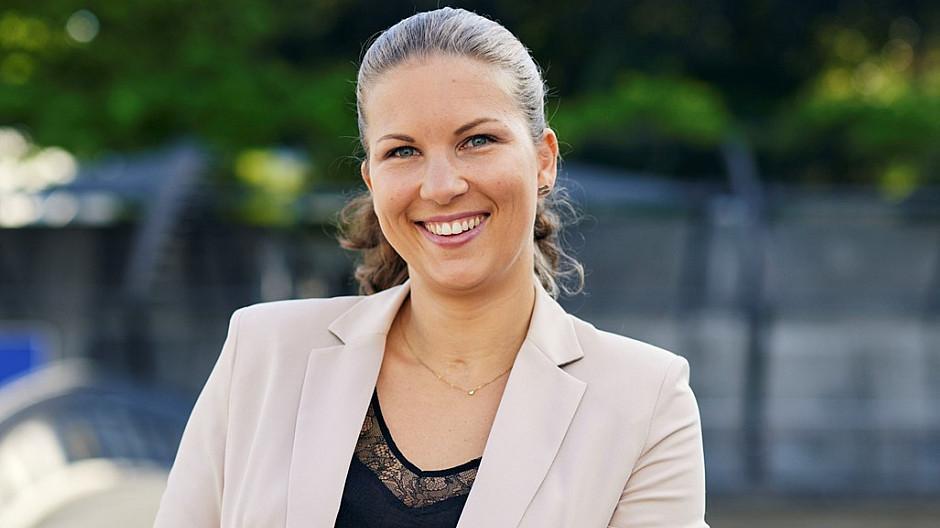
Martina Fässler: This is a key point for ISS. The facility managers are on site every day, are familiar with the daily routine, and maintain close communication with housekeeping and nursing staff. Site management must not be an outsider but must be an integral part of the operation.
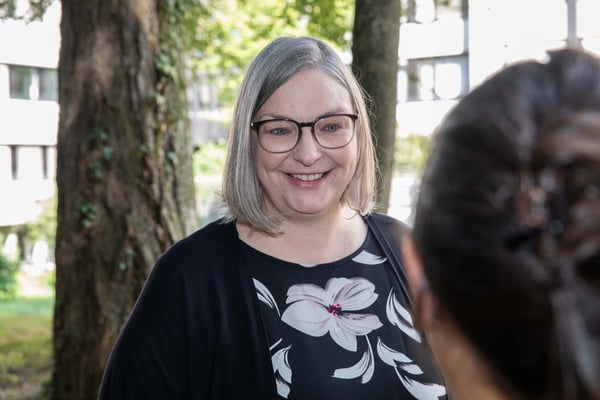
Sandra Zurlinden Fluck, Head of Housekeeping, Schaffhausen Hospitals
Key topic: in-house versus outsourced cleaning. What do you value about having cleaning services provided by an external partner?
Sandra Zurlinden Fluck: The scope of cleaning in Schaffhausen is very broad, ranging from sensitive areas such as operating rooms and examination rooms, patient rooms, and the pharmacy to publicly accessible visitor areas. We have defined hygiene standards for each area that must be adhered to during cleaning. This requires a great deal of expertise and training. In addition, managing the organization and staff takes up a significant amount of time during the cleaning process. An external FM service provider is responsible for all personnel management, and if an employee is absent, a qualified replacement steps in immediately. I see that as a major advantage.
ISS took over cleaning of patient-facing areas a year ago. What are the benefits of having such services provided by an FM partner?
Sandra Zurlinden Fluck: For one thing, there’s a shortage of qualified nursing staff. A licensed nurse should focus on nursing care. For another, cleaning can be handled by staff who have the appropriate expertise.
Martina Fässler: We need new concepts and approaches to ease the burden on nursing staff. Cleaning in patient-facing areas is a good example of this. Our employees are already in the rooms and can fully handle the cleaning tasks. This gives us a consistently efficient process with fewer points of contact.
How are the rules and hygiene standards ensured across this broad range of cleaning tasks?
Sandra Zurlinden Fluck: We have our own “Hospital Hygiene” department for this. It defines guidelines and requirements and assists with training. We work closely together, and when there are any uncertainties, Hospital Hygiene is our first point of contact.
Susanne Joost: All documents must always be up to date. I walk through the facility every day and correct the ISS employees if something isn’t right. In addition to physical inspections, I conduct quality checks throughout the facility several times a month using my tablet.
Sandra Zurlinden Fluck: The quality control data collected on the tablet is automatically sent to me. This gives me a constantly up-to-date overview. We also receive feedback from patients, who can rate the cleaning services upon discharge. If there’s a complaint, I report it to ISS - so far, there have been very few.
Martina Fässler: We serve over 200 clients in the healthcare sector and tailor our service plans to hospital hygiene guidelines and the specific requirements of each facility. Communication with the hospital hygiene department, regular quality control checks, and employee training are very important. If there’s a complaint, we have to respond immediately. As an external service provider, we’re judged by how we handle these situations.
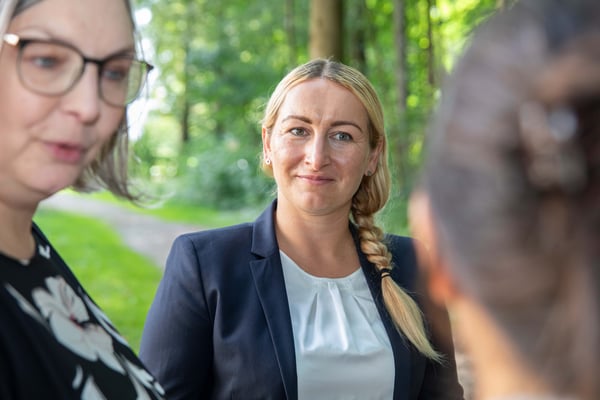
Martina Fässler, Head of Key Accounts Healthcare, ISS
One trend in the hospital sector is “outpatient care over inpatient care.” Are you noticing the effects of this in your area?
Sandra Zurlinden Fluck: There’s been a significant increase in flexibilityregarding patient admissions and discharges. In the past, discharges were typically concentrated around 10 a.m. from Monday through Saturday. Today, patients come and go at almost any time of the day or night. No sooner has one patient left than the bed must be ready for the next one.
Martina Fässler: The shift from inpatient to outpatient care brings with it higher patient volumes and more intensive use of the hospital infrastructure. For example, in the case of a knee lavage, the patient undergoes surgery, stays in a room for the entire day, and leaves the hospital in the evening. There are more short surgeries, and after each procedure, the operating room requires interim cleaning, and the patient rooms require a post-discharge cleaning.
Susanne Joost: As a result, cleaning demands are increasing, and cleaning assignments are being scheduled on shorter notice and more frequently. That’s why I work closely with the hospital staff and, whenever possible, coordinate with the wards in the morning to determine which patients are expected to be discharged the following day and whether there are any deviations from the schedule. I pass this information on to the ISS team lead, who then prepares the team accordingly.
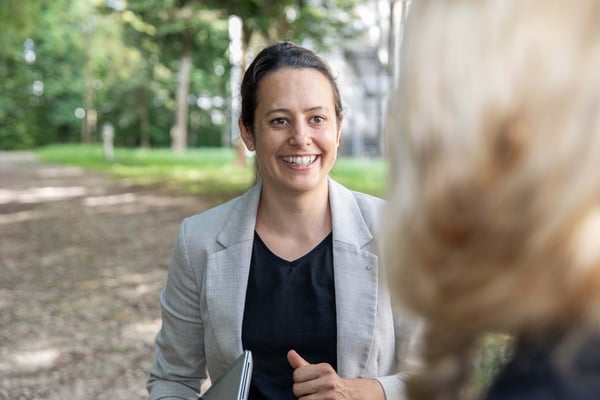
Susanne Joost, ISS Account Manager
Where can cleaning be optimized?
Martina Fässler: In the past , there was a fixed number of cleaning staff assigned to each ward per day. Today, we conduct a deliberate analysis: What hygiene standards are required in each area, and how many specialized staff are needed to achieve that level of quality? New procedures, products, and equipment that enable further efficiency gains should not be underestimated either.
Sandra Zurlinden Fluck: When it comes to patient areas, there are no compromises. There, we follow the guidelines set by our hospital hygiene department. When analyzing the other areas, we asked ourselves how much cleaning a visitor restroom or the staff locker room actually needs. Through discussions with my colleagues on the ward and in the hygiene department, we find common ground. For decision-making, we also rely on industry-standard benchmarks and recommendations from ISS.
Martina Fässler: In the outsourcing model, the question “What does this service cost, and do we really need it?” takes center stage more than when cleaning is performed by in-house staff. In return, there’s greater flexibility, as the outsourcing arrangement can be adapted to the situation - and thus the costs as well.
Sandra Zurlinden Fluck: When we work with ISS, we know exactly how the costs are broken down. If there are changes in building use or if we need cleaning services for additional examination rooms, the service is recalculated. We appreciate this cost transparency, and it also gives us budget certainty.
The ISS team includes many long-term employees. How does this benefit us?
Sandra Zurlinden Fluck: The ISS employees are well integrated and feel accepted. At work, there’s no need for lengthy explanations; the processes are well-established and run smoothly. I sometimes catch myself feeling as though the ISS colleagues are part of the hospital staff.
Susanne Joost: The team has close ties to the wards and puts their heart and soul into their work. Some say, “This is my second home.” My employees know their strengths and weaknesses and trust that I’ll assign them to the right place. I appreciate their great flexibility. They step in to help during busy periods, and when I have a vacancy, they tap into their network, and I receive several applications in no time. Staff turnover is also low. This has a positive impact on the quality of service.
Martina Fässler: Building up expertise isan intensiveprocess , so it’s important that we’re able to retain our employees for as long as possible. On average, our employees have been with us for about eight years. The better employees are integrated into the ward, the more comfortable they feel. Showing appreciation is important. This can take the form of taking a break together or having lunch in the staff cafeteria. It helps establish a shared culture.
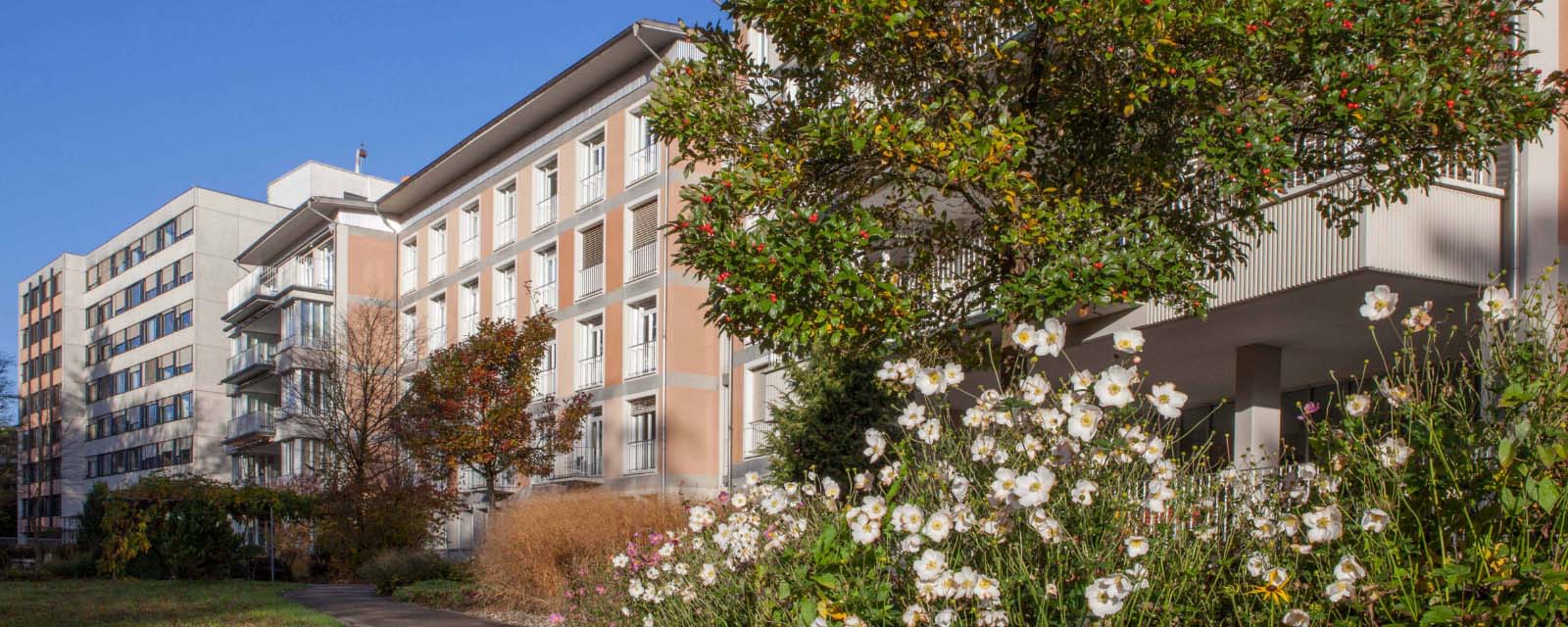
SCHAFFHAUSEN HOSPITALS
Schaffhausen Hospitals comprise the Cantonal Hospitalc - including rehabilitation and transitional care - the Breitenau Psychiatric Center, the Child and Adolescent Psychiatric Service, as well as the Posthof Neuhausen cardiology and radiology practices and the Schaffhausen Center neurology practice. More than 1,600 employees work every day to care for patients from the canton of Schaffhausen and neighboring regions. This makes the Schaffhausen Hospitals one of the largest employers in the canton and one of the most important training institutions in the entire region.